Join the discussion
Write your take first — we'll ask for email only when you're ready to publish.
- Hacker News
- I tried to search for what the acronym "Neo" is based on but no luck. Maybe it's a cinematic reference that got assigned in development and stuck. I don't know.
But it did remind me of my friend Ben Skora and his robot AROK. Fabricated in his garage using sheet metal (Ben rebuilt cars), power window motors, dryer vent pipe for arms, a Richard Nixon halloween mask inside a motorcycle helmet, two car batteries and wheels as shoes, bicycle brake clamps covered with rubber gloves as hands, a front panel of lights that blinked, and miles of wiring that never worked 100%.
The whole system was analog. Tones from two princess phone keypads controlled the motors and he could talk and listen remotely (20 ft away) using a hacked set of walkie-talkies. Don't ask me how.
AROK was built in ~1971-1973 and now resides inside a glass case at the Moraine Valley Community College Technology Building. [1]
He built AROK to help around the house, do chores, walk the dog, etc.
[0] https://cyberneticzoo.com/robots/1975-arok-ben-skora-america...
[1] https://www.morainevalley.edu/news-story/arok-the-robot-roll...
by johnohara - Review of 1X Neo by the WSJ:by mleroy
- Oof. The roomba guy said that the form factor of robots inform customer expectations. I keep thinking about that and wincing when I see these humanoid robots. Even if there's impressive engineering that goes into them, people are going to expect they can do human things. When they can't, they're going to be disappointed.
I expect my robot vacuum to vacuum the floor, because it's a little wheeled disc on the floor. It's not going to be able to cook for me. But this thing? Yea, it should cook for me.
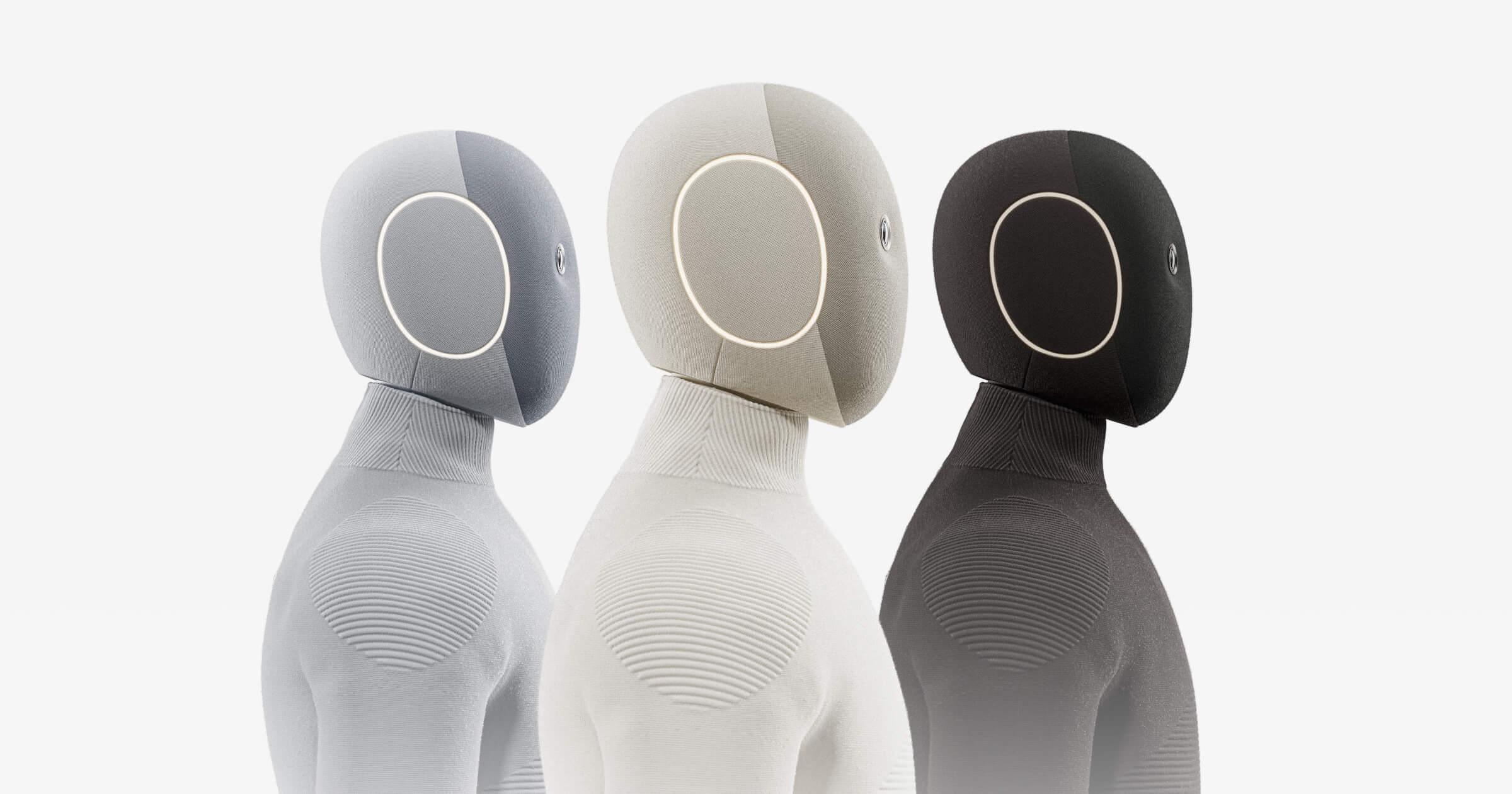
by rozap - Looks like a Dr Who villain and a Bluetooth speaker had a baby.by dexwiz
- > For any chore it doesn’t know, you can schedule a 1X Expert to guide it, helping NEO learn while getting the job done.
Is this a humanoid robot that's controlled by someone in a call center remotely doing your laundry?
Putting aside ethical reservations about how much they are probably paying per task, that feels like wash and fold with extra steps.
by easton - At long last, a personal robot that can shatter my Waterford glassware and then clean up all the pieces! Sure, it moves like something out of a nightmare, but it makes sense that much of its marketing is aimed at seniors. It's a large and growing market, and the need is undeniable, given that few can afford a full-time caregiver. And from that perspective, the $20,000 price tag almost feels like a steal.
A human-knitted marvel that does it all. From telling cayenne apart from paprika to cleaning your toilet.... well, maybe. From what I can tell, it can flush but not wipe, so you'll still want to budget for a bidet.
Technically, it makes Level-5 autonomy look straightforward. At least roads have rules and standards; household bathrooms, not so much. But let's gloss over that, because I want to know more about the legal agreement you'll have to sign. IANAL, but I expect something akin to a carpet-bombing of blanket disclaimers: no liability for direct, indirect, incidental, consequential, punitive, or other damages—including injuries or loss of life—or really anything else that could go wrong, such as losing your mail, opening your door to assist in a robbery, setting your house on fire, flooding it, or sending your banking information to a Nigerian prince. Too bad iRobot never got around to explaining the legal side of things, but there's always hope for iRobot 2.
by artisin - Their teleoperator position from 3-11 PM, M-F, pays between $22 and $31 an hour with benefits and is onsite in Palo Alto.[1]
I'll be curious if they move those positions to a lower cost-of-living area as they scale up.
by yesfitz - Is having a real robot creepy? I don't know. Is having a robot operated by a human creepy and scary? Absolutely yes.
We've seen that people behave worse when you introduce indirection. People act worse on the internet. Soldiers have an easier time killing with drones than in person. The ethical issue is in both directions: its inhumane to the operator, but I also don't want to feel like a fake person on a video screen to them.
This is then exacerbated when you realize that the people operating this machine are almost certainly not being paid well, creating obvious and legitimate negative incentives. Then you plop them into the households of people with the insane wealth required to afford this. You might think that I have just described the situation with maids (and to some extent, I agree! I have never really felt comfortable that dynamic either), but this is actually different, because you are adding in the indirection and making actions and interactions feel less "real" to both parties: the clients are likely to treat the robots worse than they would a human helper, and the operators may feel these rude clients they see on their monitors aren't as real as the people around them.
by tolmasky