Discussion summary

A woman experienced hip replacement disintegration leading to metal poisoning, specifically cobalt. Discussions covered medical cases, implant materials, and potential risks.

What the discussion says

  • Hip replacements can cause metal disintegration and poisoning.
  • Cobalt is used in some implants and can cause toxicity.
  • Metal corrosion may occur in acidic environments like the mouth.
This paper from 2015 describes a similar case of metal deformation.
manarth
She got lucky they diagnosed the cobalt poisoning in time.
golem14

Comments

Hacker News

I do not know who these Very Important Patients are, what sort of insurance they carry, what their social-credit ratings are, or what sort of providers they see, but this article reads to me like an episode of “House MD” or “Doc Martin”.

I can only vouch for my personal lived experience, as a mentally ill man living in poverty, on Medicaid and ACA plans. No provider would ever in a million years do this kind of diligence for any condition. Not in the Emergency Department for sure . They run standard tests: every test that insurance will pay for, every test that my credit rating will bear, and then they slap on the most common treatments and try to get me outta there ASAP.

I’ve long had alleged thyroid issues and alleged organ troubles that can be wicked mimics of myriad conditions, and Levothyroxine (Synthroid) in particular can engender some horrific psychiatric symptoms.

So bravo to the genius providers who evidently needed to apply for grants and/or needed to get monographs published in the JAMA, so much so that they went to considerable and unnecessary expense to figure out this lady’s issues.

by ButlerianJihad

I share your cynicism based on my own experiences, but I think the technical answer to your question includes:

1. We don't know how many people had similar conditions that simply went untreated.

2. If you somehow manage to pique a doctor's curiosity, they might apply a similar effort for you.

by mindslight

It's a common and well-known consequence of hip replacements.

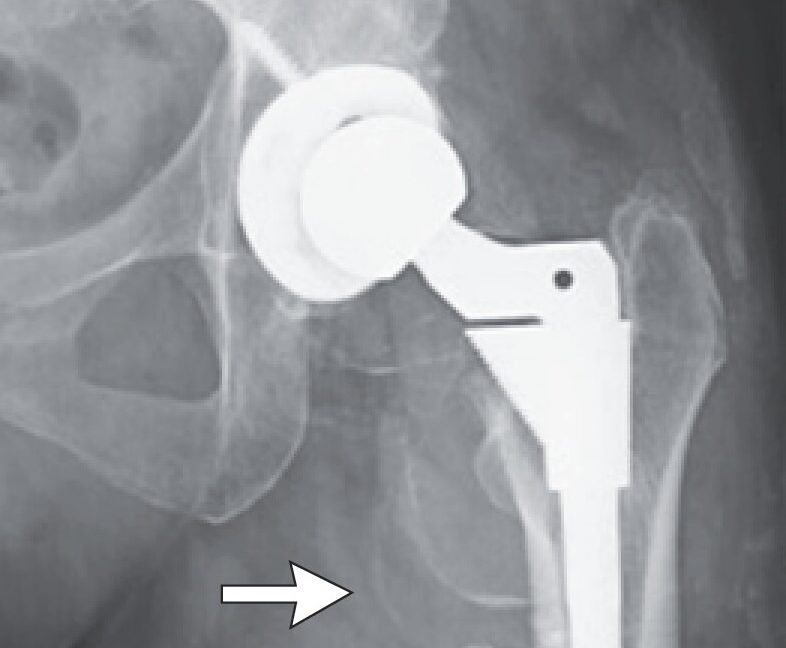
This paper from 2015 describes a similar case (quickly identified via X-ray by the deformation of the metal structure)

    "It has been well established in the literature that revision of a fractured ceramic total hip replacement with metallic components can result in metallosis. Several authors have reported symptomatic cobalt toxicity after revision of a failed ceramic head component to a metal-on-polyethylene articulation"
https://pmc.ncbi.nlm.nih.gov/articles/PMC4958112/

by manarth

You mention mentally ill - do you think that your mental illness could affect your human relationship with doctors?

by Schiendelman

I wonder if the same can happen from dental implants. While not subject to the same levels of mechanical stress, the mouth can be a very acidic environment which can be corrosive to metals.

by potamic

If you mean the 'screw in jawbone' style implants, those are generally made of titanium.

by bzzzt

In general, mercury amalgam fillings are being phased out, mostly because modern alternatives are superior.

The risk to the individual is actually really low, but cremation and general waste disposal introduces mercury as a pollutant to the environment.

https://www.optimaldentalhealth.co.uk/mercury-fillings-banne...

by manarth

Ouch! I must say, she got lucky they diagnosed the cobalt poisoning in time.

by golem14

Why do they use cobalt? For imaging?! I always assumed they used titanium or platinum :/

by thenthenthen

- stupid question

- what set of conditions actually cause a person to get a hip replacement surgery apart from an accident?

by vivzkestrel

Hip impingement.

by audunf

Age. Hip replacement surgery is common among the elderly.

by jdlshore

Arthritis. Causes heaps of pain and reduced mobility which brings a whole lot of other medical complications. Hips replacement are super common past a certain age.

by bigbaguette

Cancer is an additional one. A friend of mine is going to have a hip replacement soon now that the cancer in her hip is gone.

by Schiendelman

Join the discussion

Write your take first — we'll ask for email only when you're ready to publish.

  • Hacker News
  • I do not know who these Very Important Patients are, what sort of insurance they carry, what their social-credit ratings are, or what sort of providers they see, but this article reads to me like an episode of “House MD” or “Doc Martin”.

    I can only vouch for my personal lived experience, as a mentally ill man living in poverty, on Medicaid and ACA plans. No provider would ever in a million years do this kind of diligence for any condition. Not in the Emergency Department for sure . They run standard tests: every test that insurance will pay for, every test that my credit rating will bear, and then they slap on the most common treatments and try to get me outta there ASAP.

    I’ve long had alleged thyroid issues and alleged organ troubles that can be wicked mimics of myriad conditions, and Levothyroxine (Synthroid) in particular can engender some horrific psychiatric symptoms.

    So bravo to the genius providers who evidently needed to apply for grants and/or needed to get monographs published in the JAMA, so much so that they went to considerable and unnecessary expense to figure out this lady’s issues.

    by ButlerianJihad
  • I share your cynicism based on my own experiences, but I think the technical answer to your question includes:

    1. We don't know how many people had similar conditions that simply went untreated.

    2. If you somehow manage to pique a doctor's curiosity, they might apply a similar effort for you.

    by mindslight
  • It's a common and well-known consequence of hip replacements.

    This paper from 2015 describes a similar case (quickly identified via X-ray by the deformation of the metal structure)

        "It has been well established in the literature that revision of a fractured ceramic total hip replacement with metallic components can result in metallosis. Several authors have reported symptomatic cobalt toxicity after revision of a failed ceramic head component to a metal-on-polyethylene articulation"
    
    https://pmc.ncbi.nlm.nih.gov/articles/PMC4958112/
    by manarth
  • You mention mentally ill - do you think that your mental illness could affect your human relationship with doctors?
    by Schiendelman
  • There actually was an episode of House with this very diagnosis from a hip replacement, https://house.fandom.com/wiki/Family_Practice
    by kirykl
  • I wonder if the same can happen from dental implants. While not subject to the same levels of mechanical stress, the mouth can be a very acidic environment which can be corrosive to metals.
    by potamic
  • If you mean the 'screw in jawbone' style implants, those are generally made of titanium.
    by bzzzt
  • In general, mercury amalgam fillings are being phased out, mostly because modern alternatives are superior.

    The risk to the individual is actually really low, but cremation and general waste disposal introduces mercury as a pollutant to the environment.

    https://www.optimaldentalhealth.co.uk/mercury-fillings-banne...

    by manarth
  • Ouch! I must say, she got lucky they diagnosed the cobalt poisoning in time.
    by golem14
  • Why do they use cobalt? For imaging?! I always assumed they used titanium or platinum :/
    by thenthenthen
  • - stupid question

    - what set of conditions actually cause a person to get a hip replacement surgery apart from an accident?

    by vivzkestrel
  • Hip impingement.
    by audunf
  • Age. Hip replacement surgery is common among the elderly.
    by jdlshore
  • Arthritis. Causes heaps of pain and reduced mobility which brings a whole lot of other medical complications. Hips replacement are super common past a certain age.
    by bigbaguette
  • Cancer is an additional one. A friend of mine is going to have a hip replacement soon now that the cancer in her hip is gone.
    by Schiendelman

Related stories