Join the discussion
Write your take first — we'll ask for email only when you're ready to publish.
- Hacker News
- Nice, thanks for putting this together.
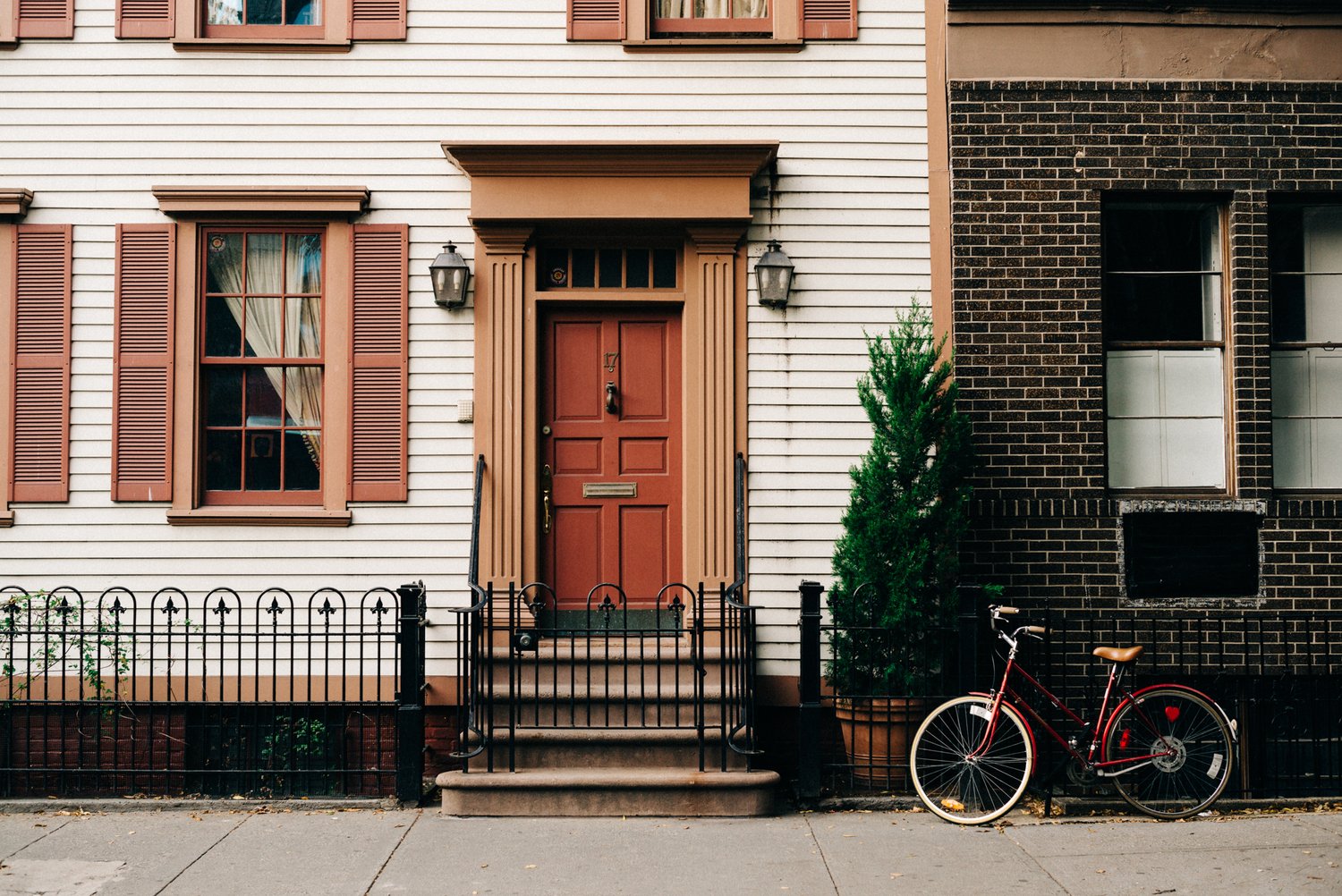
I do find it a bit funny that the main image is of a building with fake shutters, which is somewhat against the ethos of A Pattern Language.
by Nelkins - Anybody know what happened to the Pattern Language Wiki?
I haven't been able to find it on archive.org or anywhere else. It might have been twiki or similar if not mediawiki software.
by tmzt - I highly recommend getting the full book. This should be required reading for every housing developer. If you ever felt like a house or community was uncomfortable or made you subconsciously unhappy, you might find the reason in this book.by queuebert
- by toomuchtodo
- This is amazing, other than minor quibbles I think this has captured every aspect of what makes places at every scale good for humans to inhabit.
Once you read it you’ll recognize what makes a certain neighborhood feel so right. Or what makes some towns and villages perfect in terms of liveability.
And it carries through to what makes some houses feel instantly perfect.
It does seem very western though, I wonder how many of these patterns work in Asia or Africa for example?
by JSR_FDED - worth checking this out from 1996 https://www.youtube.com/watch?v=98LdFA-_zfA kind of ironic he was moving away from patterns to more fundamental concepts just as the software world was just discovering patterns. I think his shift to these more fundamental concepts is a much better way to think about design.by keithnz
- by discordance
- I work in civil engineering and tinker with computers as a hobby. I found Alexander’s work delightful. It really helped me think about my profession and my hobby and how they tie together.
He also talks about community in a city, so it walks across all scales in the build world. That really helped me think about ”scale” and what phenomena emerges at different scales. I haven’t seen those thoughts about community when I have read about patterns in SWE.
Patterns mostly revolves around solving specific problem in programming, but I haven’t yet found something that uses the same thoughts on a larger scale explicitly. I believe there are patterns for how to architect multiple softwares, but what’s beyond that scale? Say how to integrate different SWE communities.
by maCDzP