Join the discussion
Write your take first — we'll ask for email only when you're ready to publish.
- Hacker News
- Seems like window blinds might be a nice use case tooby glaslong
- Can I get it installed on my car like a vinyl wrap?by NDlurker
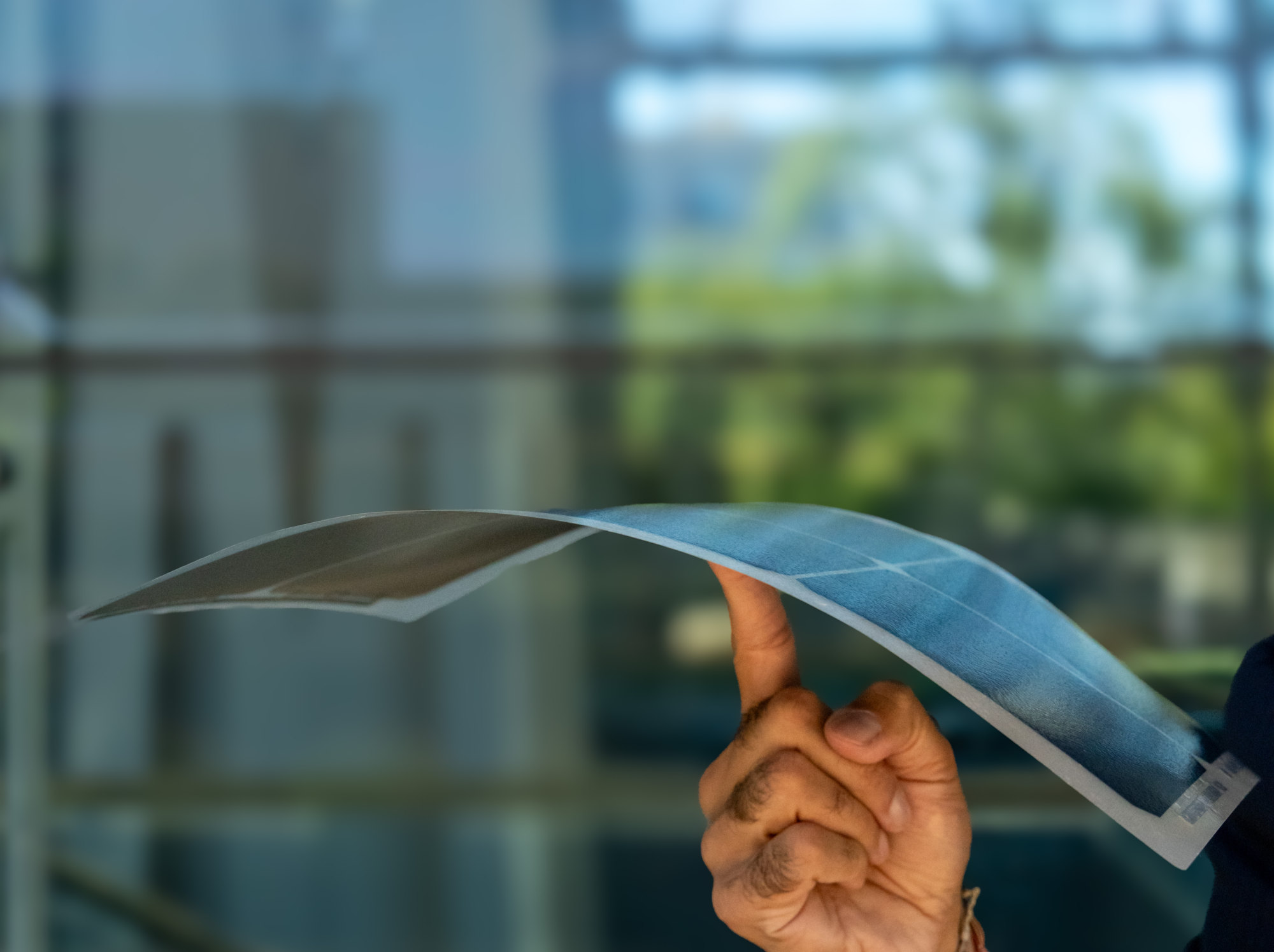
- With plug-in solar initiatives around the world, this will be a gamechanger. If there are superlight, plug and play or DIY install products, everyone can produce energy. No surface left behind!
- Transparent? Curious, would installing a reflective backing improve its efficiency?by LoganDark
- This is vaporware. I've been hearing about this sort of technology for the last 20 years. Hope to be proven wrong someday.
Here's a similar article from 2013, talking about a paper from 2005:
https://www.fastcompany.com/1681384/you-may-soon-just-spray-...
"Some day, homeowners eager to produce their own energy might not line their roofs with solar panels. Instead, they’ll spray-paint them with a mist full of electricity-generating solar cells."
by ipsum2 - Uni-Solar used to (or maybe still does?: http://www.uni-solar.com/products/commercial-products/pvl/in...) make flexible 3-mm-thick self-adhesive solar film, and if I remember correctly it could be installed on a roof without a permit, although it still required a permit for the electrical connections, so it probably didn't make things easier.
With some states only requiring UL listed inverters for small plug-in systems, it could become a more viable product.
by dlcarrier - https://solarwindow.com/electroflex/
There are already multiple solar roof cars. This should make it easier to integrate solar into these designs.
This is the worlds cheapest SOLAR CAR: https://www.youtube.com/watch?v=Hk6aTKV-des https://www.solarkycar.com/
Alin Chinese Electric Car with Solar Panel CE Approved Electric City Cars, US$1,500.00-2,000.00: https://alinmachinery.en.made-in-china.com/product/zZHTdphPH...
Chinese EV company tests flexible solar sunroof for 50 miles of additional range per day: https://interestingengineering.com/transportation/hongqi-per...