Join the discussion
Write your take first — we'll ask for email only when you're ready to publish.
- Hacker News
- This seems to happen once every 20 years.by WalterBright
- The most recent example, it's somewhat down the page at the gcaptain URL:by walrus01
- Sat next to a fusion researcher once on a commuter train.
This particular line struck me: "When oil prices go up, so does money for fusion research"
Feels the same for sail and cargo ships.
by alexpotato - A 5% reduction in fuel is significant, especially as cargo ships are responsible for a disproportionate share of petro-pollution. They burn the cheapest petro gunk, emitting tremendous volumes of soot and such.by JoeAltmaier
- 59 different companies including mine responded to MARAD's recent RFI on nuclear powered merchant ships. Many people are realizing that wind, hydrogen, ammonia, etc are falling short for global scale shipping.
https://www.federalregister.gov/documents/2026/05/07/2026-09...
by acidburnNSA - Growing up as I did in an old seafaring town, quite near Ahab's ports of call, I love the romance of the sea and I listen exclusively to sea chanties.
For low-value and bulk cargo, ships make sense, and modern computer-controlled sail trim and wind energy harvesting probably makes a great case. But high value cargo is largely today shipped by air. Nvidia wants money for its chips ASAP, too valuable to sit around non productively while being steamered. Maybe with surplus wind energy they could mine bitcoin while en route?
A sort of related topic, about 20 years ago during peak farm-to-table "buy local" fashion, the NY Times pointed out that lamb shipped from New Zealand (where is that on a map, I can't find it?) to New York City arrives with a lower carbon footprint than lamb delivered by trucks from nearby upstate NY farms, such are the economies of scale in shipping.
But now, blow me down me hearties, I look forward to dining on New Zealand lamb carried to my door by the winds of fortune!
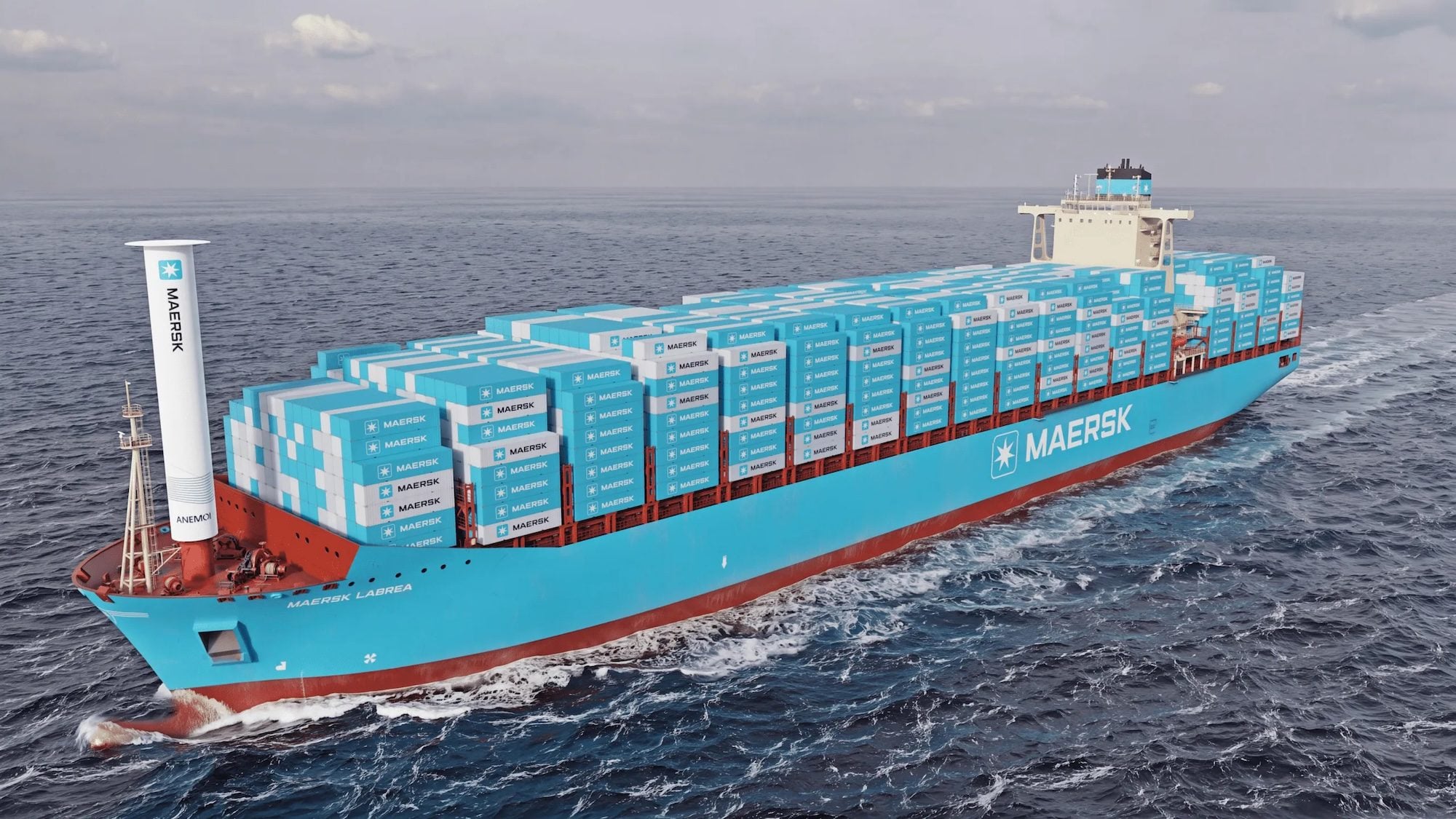
by fsckboy - If anyone else was confused why those pictures were of giant tubes and not canvas sails, you are not alone. Apparently those are some version of "Suction Sails". The vendor's website has a graphic that explains it, though it was fighting my ability to scroll.by 3eb7988a1663
- As both a sailor and a wingsail designer, I've followed this space for a long time. I've gotta say this is just one of the thousands of trial PR announcements for different companies which develop something and think it's gonna save the world.
https://www.paulgraham.com/submarine.html
We've been seeing these every other year or so ever since the walker wingsail back in the mid 80's:
https://www.change-climate.com/Transport_Land_Sea_Sustainabl...
As to why they are never successful, I don't exactly know. Most of the companies that put these on trial just quietly retire them without adoption, and never explain why. It's not about ease of use, plenty of designs have near 100% automation and simple design. It's not really about maintenance, plenty of designs have almost maintenance-free design as well.
My best guess is that sails/wingsails/rotorsails have inherent height, which interferes with bridges and gantry cranes, and requires furling/stowing capabilities which them makes the systems a lot more complex. My next best guess is that in order to get meaningful propulsion, you introduce heeling, which is bad for container ships and potentially catastrophic for dry bulk.
by darksaints