Join the discussion
Write your take first — we'll ask for email only when you're ready to publish.
- Hacker News
- Gilfoyle's take on Smart Fridges: > This thing is addressing problems that don't exist. It's solutionism at its worst.by rkuska
- The lesson here is that technology doesn’t always move in a positive direction. “Primitive” technology (e.g. simpler ICs, electro-mechanical machines, purely mechanical machines) can often be far better than the “modern” solutions.
This extends all the way up to software. Be wary when someone pushes a modern replacement of a reliable and effective tool you already have.
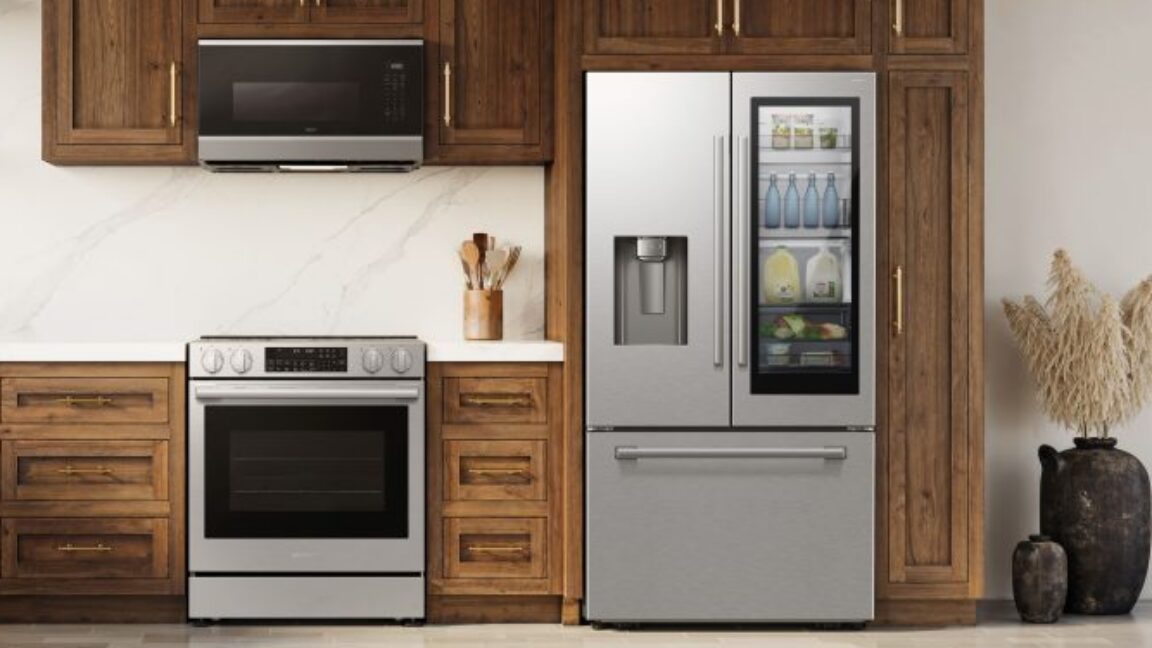
by tonymet - I had a samsung fridge. Every year it would spoil all of the food inside of it. The temperature reading on the outside would say 35 (1.5 c) but the food inside would be warm and spoiled.
It only happened when it was particularly cold outside. I eventually figured out that there is an external temperature sensor that causes the fridge to stop cooling below a certain external temperature. And that space in the kitchen was particularly cold in the back. But I could never read it below 55, so I think the sensor was faulty.
But the reading on the front is what really annoyed me. I had to keep a thermometer inside the fridge so that I didn't accidentally eat food that felt cool enough but was bad.
This happened every year. I eventually gave it away for free, with a warning to the person.
by sixothree - This is my fear on the car side, as smart features start leaking from isolated areas in automobiles into the larger CAN bus....by Scubabear68
- Why is the fridge's cooling system is one with the smart features? They should be kept completely separateby tacomagick
- Meanwhile, my non-smart fridge continues to run just fine. Why do we need smart fridges? That was always a bad idea.by 9cb14c1ec0
- This is the perfect story of 2020s era tech.
Just total engineering incompetence of forced updates with new features for no reason that degrade core workflows and introduce needless instability.
by steveBK123 - Samsung smart appliances in general seem to occupy a similar place in the market to vehicles like the Chevy Traverse or Nissan Altima, where people with technical knowledge in that area know them to be absolute horrific maintenance and repair liabilities and yet the consumer base places them second to God.
Obviously the review of a brand-new device or vehicle with 100 miles on it is going to have a disconnect from the realities of 60k miles of rocky ownership but I remain baffled when people buy a 7 year old used V6 Traverse, a vehicle extremely well known for catastrophic engine failure, and if I question their decision I get a "the reviews were good!". It seems like journalistic malpractice to not retroactively update reviews with a warning when critical widespread shortcomings are found later in a products life.