Join the discussion
Write your take first — we'll ask for email only when you're ready to publish.
- Hacker News
- GLP-1by dyauspitr
- The analysis from TFA and also the study that it comments on are much better than what is typical for nutrition studies.
TLDR:
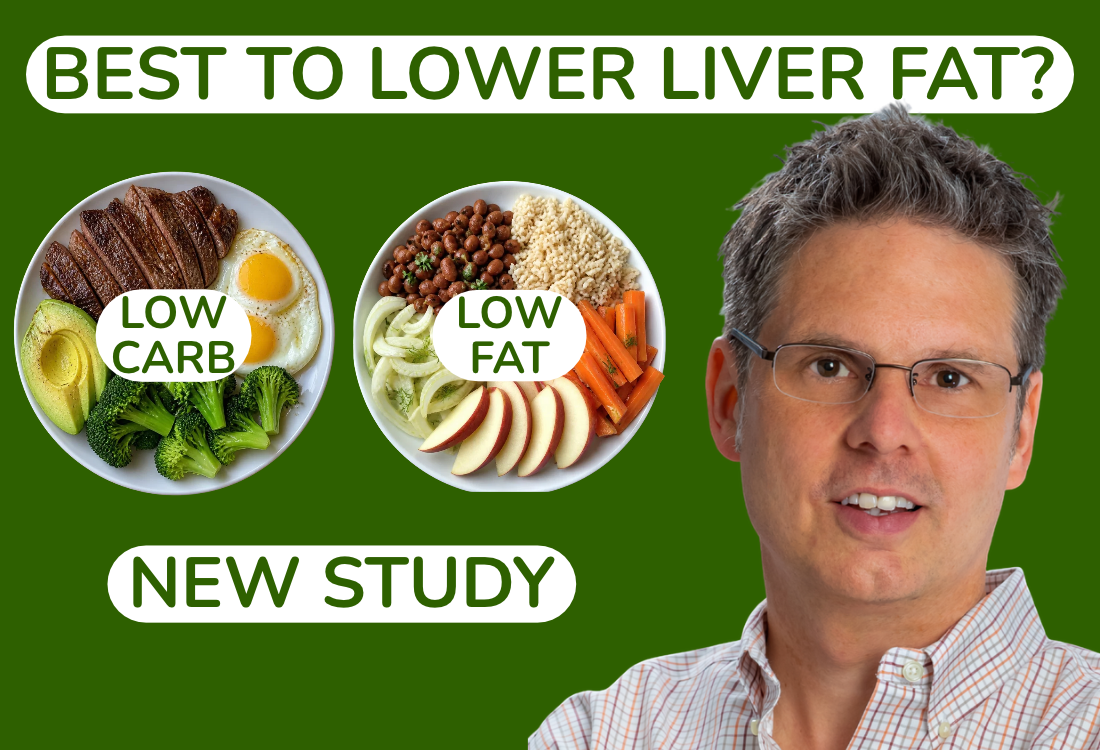
1. If fatty liver or diabetes/prediabetes is the problem, a low-carb diet, e.g. a keto diet, was the most efficient.
2. For problems like fat in other organs, e.g. muscles, causing reduced insulin sensitivity, only weight loss mattered, regardless of the diet that caused it.
3. For cardiovascular problems, e.g. atherosclerosis or high blood pressure, a balanced diet, e.g. Mediterranean, was superior to both low-carb and low-fat diets.
Something not discussed in the article is that unlike the alternatives, a low-carb diet/keto diet is much more expensive. In any diet that provides a desired amount of protein and fat, carbs are basically free. When the majority of the calories are no longer provided by carbs, the diet may be unaffordable for many people all over the world, so for them a keto diet may be acceptable only for a short term, as a treatment against prediabetes or fatty liver, but not as a permanent diet.
by adrian_b - How I increased my insulin sensitivity:
- Not eating at least 4 hours prior to sleep.
- No bread, dates, sugar, sugar-substitute, honey, potatoes, sweet potatoes, etc.. with the exception for 1 banana during breakfast.
- Eating the most carb-rich foods (the banana during breakfast, beans during lunch) first, then eating fewer carbs during subsequent meals.
- This may be true, but the study size is 42 people. This is woefully insufficient for making any conclusions about something with so many confounding factors. At best this is a safety scan before running a much larger trial.by cowanon77
- Flawed study.
Recap the very-low-fat plant-forward diet: 70% of calories came from carbs, 15% from protein, and 15% from fat, and it was heavily based on legumes, whole grains, vegetables, fruit, and berries.
They did not include in the study the VETO plant based diet. Very low carbs, low fats, only monosaturated fats, no table sugar (sucrose), no white flour, no cow's milk, etc. and high plant based protein, with lactobacillus cultured non dairy "yogurts".
The standard Keto diet suffers from saturated fats, and while the adherents seem to have better results at first, decades later they will suffer arteriosclerosis and cardiovascular problems.
- Sharing my experience with Keto incase it helps someone:
Ketogenic diet is definitely a powerful intervention, as this study shows. It's also been particularly powerful for various neurological conditions such as epilepsy, schizophrenia, and even Autism and ADHD. I have mild AuDHD and being in ketosis significantly improves the feelings of inner resistance and aversion that come with neurodivergence - the mind feels well lubricated and concordant instead of chaotic, it perhaps even feels like the neurodivergence is 'cured'.
However, I tried keto several times in the past and it didn't suit me particularly, I could not sustain it. This is because initially, the diet drops blood plasma volume significantly, and I already have hypovolemia (low blood volume) and sickle cell anemia (minor trait Thalassemia). This meant my blood volume would drop too low and it would stress my body exceptionally hard. I was drinking so much salt water (As the guidelines recommend) and was definitely in Ketosis, but the 'keto-flu' persisted past 7-10 days and I gave up. During that period I had my bloods done and had elevated ALT/AST levels, and had constant shortness of breath and low energy.
It was actually this experience with the keto diet that made me realise the connection with hypovolemia and sickle cell anemia. This led me to supplement with creatine to increase plasma volume and that has an amazing effect on how I feel and my cognitive function =). Thanks for reading.
by N_Lens