Join the discussion
Write your take first — we'll ask for email only when you're ready to publish.
- Hacker News
- >Oct. 2
Here's a newer CNN story from today:
>Researcher at Russian plague laboratory dies of ‘unknown’ infection
https://edition.cnn.com/2026/10/04/europe/russia-laboratory-...
This post from local Irkutsk region media (now in exile) is also interesting:
https://t.me/Baikal_People/16651 (in Russian)
by r721 - How often does this sort of thing happen? I'm guessing more than we think, either because we forget the news stories we read or because it isn't reported.by abnry
- Yersinia Pestis is normally treated with doxycycline, cipro, or streptomycin.
Is this a resistant strain?
by chasil - The Irkutsk governor, Igor Kobzev, seems to actually have experience in emergency management, and has served for many years in the Ministry of Emergency Situations. This makes the serious response a little bit less surprising (actually doing something instead of just covering it up is the thing that made me actually worried about this situation).by szopa
- This information that she "broke a tube" is tabloid bs.
Non-tabloid version is that she didn't catch it in the lab, she got ill "while being on a research trip to Buryatia region near the border where sources of the disease were found".
by poilcn - Are we fairly confident that these labs do more good than the risk they present to the public? I’m not sure we should be keeping dangerous pathogens around just for giggles and PhD papers. What are examples of how the research done in these places improves public health?
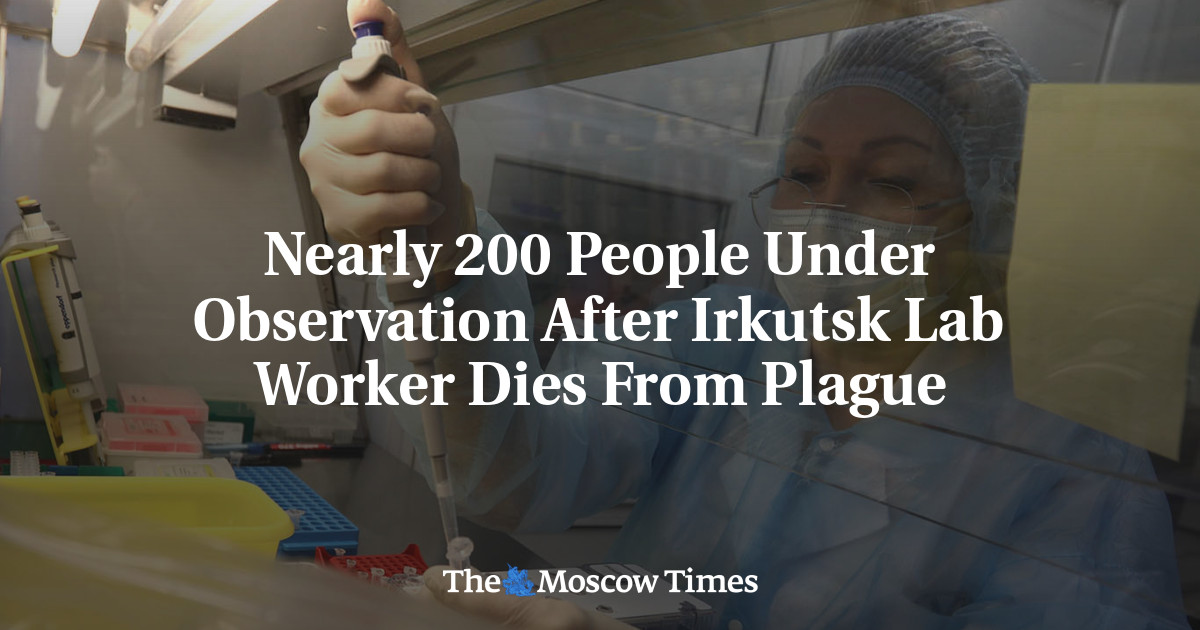
- So breaks a test tube of live bacteria at an “anti-plague institute”, possible infects 100 colleagues, then when she developed plague like symptoms is taken to hospital and possibly infects 100 patients.
I think they need to investigate their safety protocols
> She reportedly told medical staff that she had accidentally broken a test tube containing live bacteria while collecting samples for testing.
> At least 197 people who may have had contact with her were reportedly placed under medical isolation, including more than 100 in hospital wards.
- I literally just finished Annie Jacobsen's book 'Biological War: A Scenario' last week where the central plot point is an accidental release of modified form of pneumonic plague from a lab in Siberia. Very coincidental timing, especially since it made me wonder how often labs like these have accidents and we never hear about them because it is cleaned up without issue.by robmusial