Discussion summary

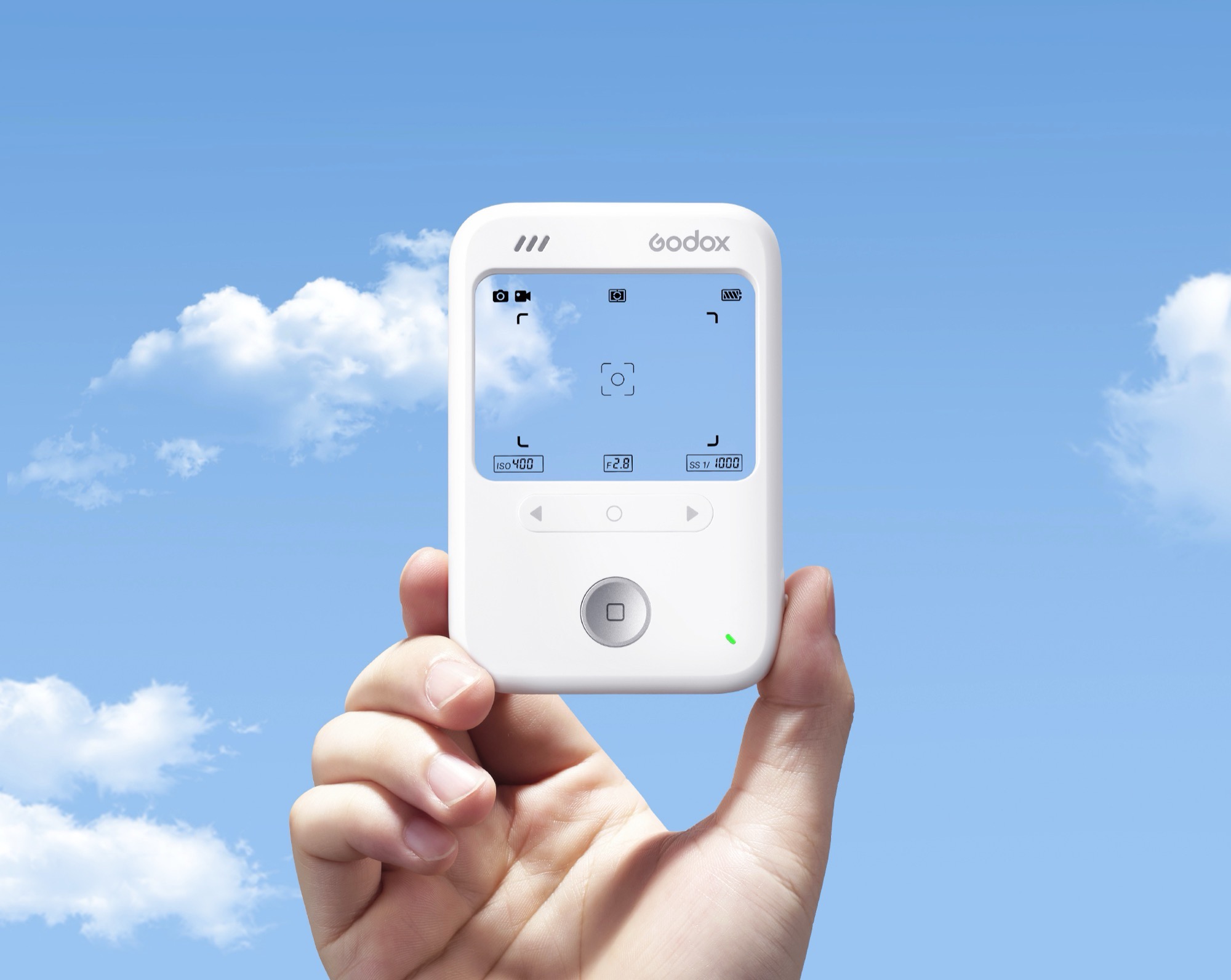
A new transparent display camera priced at $29 has been launched, sparking discussions about its potential uses and technology. Users consider its function as a light meter, display visibility issues, and possible privacy features.

What the discussion says

  • Some see it as a low-cost, versatile device suitable as a light meter or for photography.
  • Concerns about display visibility without a strong backlight or polarized light.
  • Interest in integrating privacy screens or head-tracking for better usability.
This product seems to be a light meter with a camera attached.
ThrowawayTestr
It’s probably an LCD panel with the polarizer removed, so the UI needs a bright light behind it.
tencentshill

Comments

Hacker News

> Thanks to its very affordable price, the camera is also an attractive option as a light meter.

Tell me you're writing AI slop without telling me you're writing AI slop.

Why is this news outlet with some low-quality post even on Hacker News?

Product site: https://www.godox.com/product-e/C100.html

by henvic

Why does that sentence strike you? This product seems to be a light meter with a camera attached.

by ThrowawayTestr

when are we going to get a fully transparent phone

by vivzkestrel

This is probably an LCD panel with the polarizer removed, so the UI will require a bright/strong source of light behind it.

by tencentshill

Without the polarizer, you wouldn't be able to see anything. Unless wearing polarizing sunglasses.

But yea, you'd need light on the subject you're looking at it through to take pictures too.

by Groxx

Going on ten years ago I saw an early transparent OLED screen (TV-sized). It didn’t need a strong light source behind it. Could be those got cheap enough in a small size to put in a $29 camera.

by mikestew

I wonder if you could sandwich two polarized lenses in a way that would make it only transparent when your eye is in the correct position. Would make for an elegant & simple WYSIWYG viewfinder.

by ortusdux

Maybe even an off-the-shelf microlouver privacy screen protector?

by efskap

I would argue for some form of head tracking to always display the appropriate frame.

It would be nice if you could use hud display tech so it would automatically track, but I don't think it's possible in this form factor

by russdill

This also functions as a light meter for analog photographing. There are light meter apps on smart phones, but it is fun to measure through a lighter/simpler equipment.

by TonyZYT2000

Or even just using a plain old light meter. I use a Gossen Luna Pro (with 'spot' attachment) with my meterless cameras (which is most of them). It's reliable.

by Finnucane

I had the most fun taking pictures with a cheap, low-quality camera that I only owned for a few months before it died. This one might fit the bill nicely. The skill or unknowns of the viewfinder might be part of the charm.

I want one, but they don’t seem to be available yet.

by codazoda

> Godox has apparently omitted Wi-Fi and Bluetooth for cost reasons.

Seem like a questionable claim given that many microcontrollers support both of those.

by fc417fc802

More likely omitted for cost associated with regulatory reasons, so they don't have to submit it for emitter approval.

by dingaling

It's not just the cost of the antennas. This device barely has a screen and has like four buttons total. How are you going to type in a wifi password?

by jerlam

Great for kids to get started. Saves to SD so you don't fill your mobile storage with 12,000 beach photos from last holiday. Cheaper to lose/replace than ifone.

I still have a LUMIX camera 10+ years for instant pics when travelling. Smaller than my wallet.

by zoom6628

When I use a camera with an optical viewfinder, I feel more connected to my subject. Sure all the modern pro cameras are using EVFs now, and their performance is excellent, but I do think it’s a more disconnected shooting experience.

Think about the optical chain.

EVF: Subject —-> real time digital processor —-> screen —-> shooters eye

OVF: subject —-> mirror/glass —-> shooters eye

My hipster take is that makes shooting with an OVF a more “pure” experience. Not that it matters from the subjects POV though..

Seems like a cool camera. I think I will pick one up for my daughter.

by neon_diogenes

"shooters eye" is doing a lot of work there, since that's where the most pre-processing happens, by far

by unsupp0rted

I don't understand how this works. If it's a transparent display that just passes through light and adds some overlay information (like a viewfinder on d/SLR cameras of the old), then doesn't the frame change completely depending on the distance you're holding the device at in relation to your face?

It can't be meant to be used with your arm fully outstretched, because that would be an impractically narrow field of view. So how do you "calibrate" your stance to make the capture match the FOV of the glass rectangle you're looking through?

by zerobees

Maybe it does measure the distance to your face to work out where to show the viewfinder rectangle...

by nickcw

I imagine the same way cheap point-and-shoot film cameras did.

by LocalH

It's $29, this is a fun gimmick to take pictures of your friends doing bullshit this summer. It's obviously far worse than your phone, the point is that it's fun.

by thot_experiment

Not only that, but slight changes to the angle you're holding it will result in dramatically different photo angles, even though you're always seeing the same thing.

by stavros

It likely comes with instructions like "hold directly in front of you, at exactly 15cm distance, with your left eye closed".

by tantalor

I don’t know but it’s either completely vibes driven or, maybe, it uses a TOF sensor to know how far from your face it is . It has framing cues that seem to adjust, so it’s plausible that it gives you an approximate framing based on the distance from your face. Even multizone TOF sensors are less than $2 these days, so it’s at least plausible.

by K0balt

I think the idea is that the display kinda represents the shot, but not well, but if you cared you wouldn’t be shooting with a $29 camera. I mean, it takes 1920x1080 pics, don’t get too picky there, Ansley Adams. :-)

But I agree with you, I don’t see how the “viewfinder” is all that useful, other than “nifty!”.

by mikestew

A perhaps similar sort of finder existed on a number of older (eg, first half of the 20th century) cameras, usually as a secondary option or an accessory, for quick shots. They tend to be common additions built into waist level finders because WLFs are slow to use and adding them is cheap; there’s one on the 1939 Praktiflex, as a random example, an early 35mm SLR with a pretty tiny WLF as its primary viewfinder.

Those usually work by having two square windows, the back larger than the front: you know you are looking at them the right way when they line up. They’re very approximate, but they’re meant to be.

Here, the camera has a thickness that is obscured by the face-on photos of it, so I expect it works by a similar principle: if you see the sides of the inside of the screen, you’re misaligned.

by cge

For a near flat $29 MSRP camera I'm not sure I could come up with better way to have an overlaid viewfinder. The screen itself even looks to be a cheap segmented display, not a grid of pixels.

If you care those things mess up your framing of the shot then you probably don't want a flat $29 camera.

by zamadatix

Join the discussion

Write your take first — we'll ask for email only when you're ready to publish.

  • Hacker News
  • > Thanks to its very affordable price, the camera is also an attractive option as a light meter.

    Tell me you're writing AI slop without telling me you're writing AI slop.

    Why is this news outlet with some low-quality post even on Hacker News?

    Product site: https://www.godox.com/product-e/C100.html

    by henvic
  • Why does that sentence strike you? This product seems to be a light meter with a camera attached.
    by ThrowawayTestr
  • when are we going to get a fully transparent phone
    by vivzkestrel
  • This is probably an LCD panel with the polarizer removed, so the UI will require a bright/strong source of light behind it.
    by tencentshill
  • Without the polarizer, you wouldn't be able to see anything. Unless wearing polarizing sunglasses.

    But yea, you'd need light on the subject you're looking at it through to take pictures too.

    by Groxx
  • Going on ten years ago I saw an early transparent OLED screen (TV-sized). It didn’t need a strong light source behind it. Could be those got cheap enough in a small size to put in a $29 camera.
    by mikestew
  • I wonder if you could sandwich two polarized lenses in a way that would make it only transparent when your eye is in the correct position. Would make for an elegant & simple WYSIWYG viewfinder.
    by ortusdux
  • Maybe even an off-the-shelf microlouver privacy screen protector?
    by efskap
  • I would argue for some form of head tracking to always display the appropriate frame.

    It would be nice if you could use hud display tech so it would automatically track, but I don't think it's possible in this form factor

    by russdill
  • This also functions as a light meter for analog photographing. There are light meter apps on smart phones, but it is fun to measure through a lighter/simpler equipment.
    by TonyZYT2000
  • Or even just using a plain old light meter. I use a Gossen Luna Pro (with 'spot' attachment) with my meterless cameras (which is most of them). It's reliable.
    by Finnucane
  • I had the most fun taking pictures with a cheap, low-quality camera that I only owned for a few months before it died. This one might fit the bill nicely. The skill or unknowns of the viewfinder might be part of the charm.

    I want one, but they don’t seem to be available yet.

    by codazoda
  • > Godox has apparently omitted Wi-Fi and Bluetooth for cost reasons.

    Seem like a questionable claim given that many microcontrollers support both of those.

    by fc417fc802
  • More likely omitted for cost associated with regulatory reasons, so they don't have to submit it for emitter approval.
    by dingaling
  • It's not just the cost of the antennas. This device barely has a screen and has like four buttons total. How are you going to type in a wifi password?
    by jerlam
  • Great for kids to get started. Saves to SD so you don't fill your mobile storage with 12,000 beach photos from last holiday. Cheaper to lose/replace than ifone.

    I still have a LUMIX camera 10+ years for instant pics when travelling. Smaller than my wallet.

    by zoom6628
  • When I use a camera with an optical viewfinder, I feel more connected to my subject. Sure all the modern pro cameras are using EVFs now, and their performance is excellent, but I do think it’s a more disconnected shooting experience.

    Think about the optical chain.

    EVF: Subject —-> real time digital processor —-> screen —-> shooters eye

    OVF: subject —-> mirror/glass —-> shooters eye

    My hipster take is that makes shooting with an OVF a more “pure” experience. Not that it matters from the subjects POV though..

    Seems like a cool camera. I think I will pick one up for my daughter.

    by neon_diogenes
  • "shooters eye" is doing a lot of work there, since that's where the most pre-processing happens, by far
    by unsupp0rted
  • For those struggling to find tech specs: Apparently [1] it has a 2MP CMOS sensor, F2.4 aperture, 24mm equivalent wide-angle lens, and shoots a resolution of 1920x1080.

    [1] https://www.reddit.com/r/toycameras/comments/1ukcl55/godox_c...

    by atombender
  • I don't understand how this works. If it's a transparent display that just passes through light and adds some overlay information (like a viewfinder on d/SLR cameras of the old), then doesn't the frame change completely depending on the distance you're holding the device at in relation to your face?

    It can't be meant to be used with your arm fully outstretched, because that would be an impractically narrow field of view. So how do you "calibrate" your stance to make the capture match the FOV of the glass rectangle you're looking through?

    by zerobees
  • Maybe it does measure the distance to your face to work out where to show the viewfinder rectangle...
    by nickcw
  • I imagine the same way cheap point-and-shoot film cameras did.
    by LocalH
  • It's $29, this is a fun gimmick to take pictures of your friends doing bullshit this summer. It's obviously far worse than your phone, the point is that it's fun.
    by thot_experiment
  • Not only that, but slight changes to the angle you're holding it will result in dramatically different photo angles, even though you're always seeing the same thing.
    by stavros
  • It likely comes with instructions like "hold directly in front of you, at exactly 15cm distance, with your left eye closed".
    by tantalor
  • I don’t know but it’s either completely vibes driven or, maybe, it uses a TOF sensor to know how far from your face it is . It has framing cues that seem to adjust, so it’s plausible that it gives you an approximate framing based on the distance from your face. Even multizone TOF sensors are less than $2 these days, so it’s at least plausible.
    by K0balt
  • I think the idea is that the display kinda represents the shot, but not well, but if you cared you wouldn’t be shooting with a $29 camera. I mean, it takes 1920x1080 pics, don’t get too picky there, Ansley Adams. :-)

    But I agree with you, I don’t see how the “viewfinder” is all that useful, other than “nifty!”.

    by mikestew
  • A perhaps similar sort of finder existed on a number of older (eg, first half of the 20th century) cameras, usually as a secondary option or an accessory, for quick shots. They tend to be common additions built into waist level finders because WLFs are slow to use and adding them is cheap; there’s one on the 1939 Praktiflex, as a random example, an early 35mm SLR with a pretty tiny WLF as its primary viewfinder.

    Those usually work by having two square windows, the back larger than the front: you know you are looking at them the right way when they line up. They’re very approximate, but they’re meant to be.

    Here, the camera has a thickness that is obscured by the face-on photos of it, so I expect it works by a similar principle: if you see the sides of the inside of the screen, you’re misaligned.

    by cge
  • For a near flat $29 MSRP camera I'm not sure I could come up with better way to have an overlaid viewfinder. The screen itself even looks to be a cheap segmented display, not a grid of pixels.

    If you care those things mess up your framing of the shot then you probably don't want a flat $29 camera.

    by zamadatix

Related stories